Biohazard Cleanup for Apartments and Houses
Death, crime, hoarding, blood and sewage cleanup in houses, condos, two-flats and high-rise units.
Learn moreGet blood, bodily fluids, odor and contaminated materials removed safely from any property in Boutte, day or night.
Containment, entry and cleanup plans can be influenced by local housing, population and access details.
Rental housing represents 28.1% of households here, so cleanup information should still explain when a landlord must approve structural work.
Homes centered around a 1994 build year may have open layouts, which can allow odor to reach adjoining living areas.
When 72.1% of seniors live alone, clear item documentation can help an absent relative make careful decisions about belongings.
The 55.0% single-family share means access and odor control can differ greatly from one local property to another.
The safe disposal, removal and disinfection of bodily fluids, blood, tissue and other hazardous materials after an accident, crime, death, sewage backup or hoarding situation is biohazard cleanup.
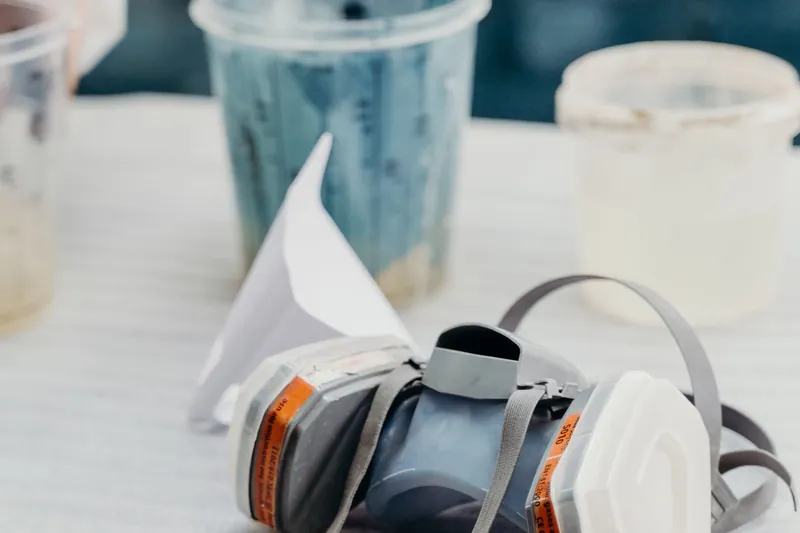
It is also called bio hazard cleaning, biohazard remediation, trauma cleanup or bio cleanup. Professional biohazard cleanup goes further than deep cleaning: technicians wear personal protective equipment, find every place contamination reached, remove porous materials that cannot be disinfected and treat the affected areas until they are back to a livable condition.
Biohazard removal services in Boutte reach the surrounding areas as well, with emergency response for crime scenes and other traumatic events. Crime scene cleaning, scene cleaning after an unattended death, hazardous waste removal and fentanyl cleanup all count as specialized cleaning. Crime scene cleaners work quietly to restore safety and offer respectful, compassionate service at a hard time.
Biohazards are genuine health hazards that can cause serious illness, while visible contamination is seldom the full extent of the problem.
Hepatitis B, hepatitis C and HIV can live in blood. Hepatitis B may survive on a surface for at least seven days, according to the CDC.
Decomposition releases fluids, bacteria and gases that soak into floors and travel through vents to other rooms.
Salmonella, E. coli and hepatitis A are risks in raw sewage, and moisture may lead to mold on materials within 24 to 48 hours.
Although bleach and sprays may clean on top, absorbed fluids remain in drywall, subfloor, carpet and its pad. Contamination left behind causes bacteria and odors to return, so decontamination services take out the source.
Death, crime, hoarding, blood and sewage cleanup in houses, condos, two-flats and high-rise units.
Learn more
Commercial properties receive commercial biohazard cleanup for industrial accidents, exposures, break-ins and injuries at times that work with your schedule.
Learn more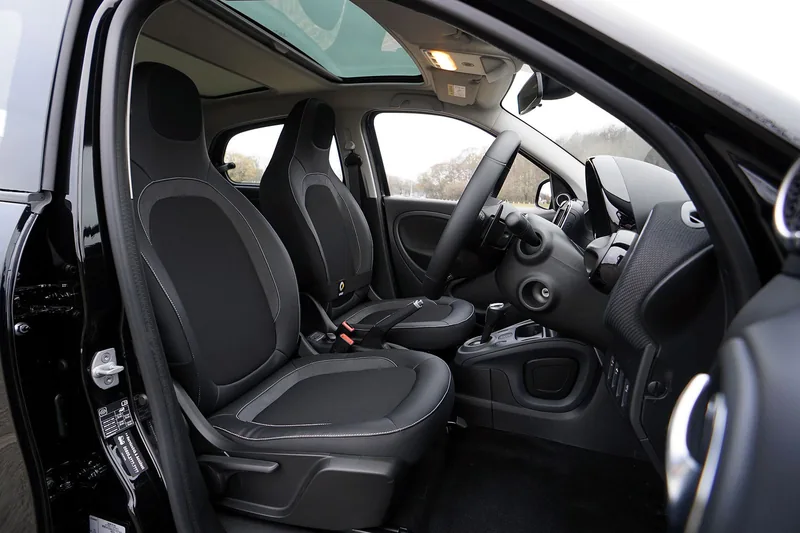
Vehicle biohazard cleanup for blood, bodily fluids and odor in seats, carpet and vents.
Learn more
Cleanup is completed promptly so the unit can return to rental use, and records are available for insurers and owners.
Learn moreFind the cleanup page suited to your circumstances. Call if you are uncertain about which cleanup service fits.
Most people only face this once. Taking these initial actions safeguards your health, insurance claim and final cleanup cost.
Call (888) 440-9227Each job follows the same safe biohazard cleanup process, beginning with your call and ending with the final inspection.
Describe what occurred. The scene is inspected and photographed by technicians before you approve the scope.
The affected area is sealed off with plastic sheeting so contamination does not spread to other rooms.
Porous materials that absorbed infectious materials, such as carpet, pad and drywall, are cut out and sealed as medical waste so nothing is left behind.
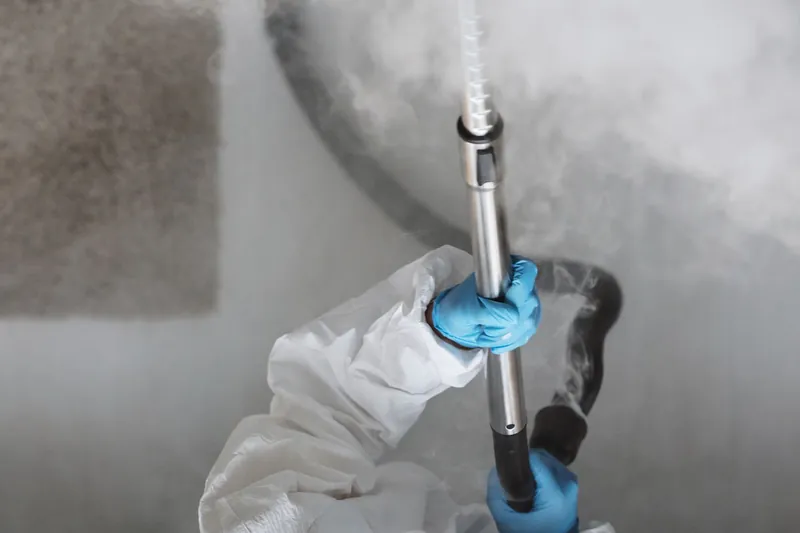
Cleaning every surface is followed by treatment with hospital-grade, EPA-registered disinfectant.
Treatment reaches the source of odors with hydroxyl, air scrubbers or ozone, followed by a check of the vents.
A permitted medical waste treatment facility receives the sealed material along with its tracking documents.
A final check, with ATP testing when necessary, confirms a livable condition. You then receive records and photographs for the claim.
Your own contractor or a vendor working with your insurer can replace any removed drywall or flooring.
Pricing sources that have been published place most residential biohazard cleanup work from $1,800 through $8,000. Small blood cleanup may cost under $1,000, while large hoarding, sewage or decomposition jobs can exceed $20,000. Your exact cost is established after the on-site assessment.
Often, yes. Homeowners and renters insurance commonly covers biohazard cleanup after a sudden event such as a death, a crime or a sewage backup, minus your deductible.
Victims of violent crime can ask the Louisiana Crime Victims Reparations Board, supported by the Louisiana Commission on Law Enforcement, about crime scene cleanup. The program lists it among eligible expenses. Insurance is usually checked first.
Owners or property managers usually pay for and organize cleanup inside rental units and shared areas.
Death cleanup may frequently be paid from the estate. A family member or the estate executor normally manages this task.
Sudden and accidental events are usually covered. Hoarding and long-term neglect usually are not. Speak with your insurance company before cleanup begins.
Phone support stays available. Your property's next cleanup steps can be clarified by a specialist.
Many renters and homeowners policies pay for biohazard cleanup after a sudden incident, less the deductible. Coverage commonly excludes hoarding and neglect over time.
On-site work lasts one to three days for most cleanups. Several days to two weeks may be needed for decomposition, major scenes or hoarding cleanouts.
A biohazard is any biological material that can cause disease, such as blood, bodily fluids, tissue, human or animal waste, raw sewage and used needles.
Certainly. Workers come in unmarked vehicles, stay quiet and do not share information with nearby residents or property staff.
Published pricing guides show that typical residential work ranges from $1,800 to $8,000. Minor blood cleanup may cost below $1,000, but major decomposition or hoarding work can exceed $20,000.
Your call is answered 24 hours a day, including weekends and holidays.